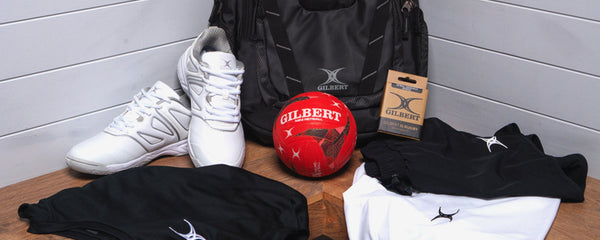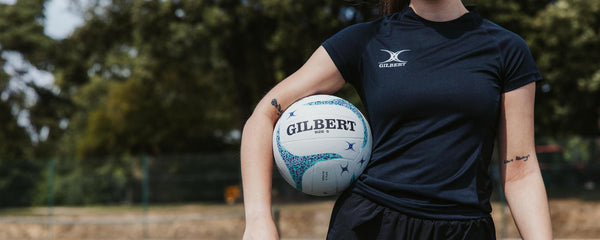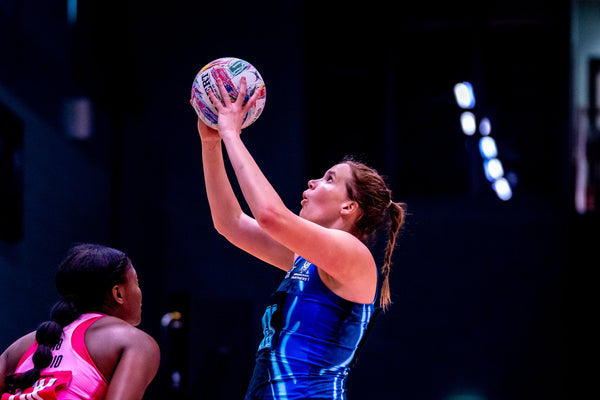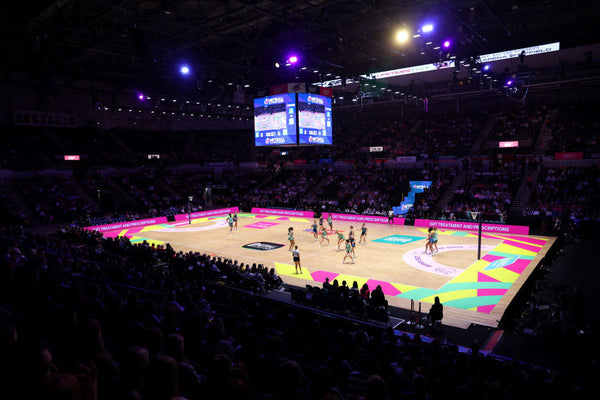








When choosing a netball, it’s important to understand the difference between match balls and training balls. While they may look similar and are often the same size, they are designed for different purposes - and using the right ball in the right setting can improve performance, durability, and value for money.
What Is a Match Ball?
A match ball is designed for competitive play and meets official netball specifications for size and weight. These balls are built to deliver consistent performance throughout a game, where accurate passing, shooting and catching are critical.
Key features of match balls include:
-
High-quality outer materials for reliable grip
-
Multi-layer construction to help the ball keep its shape
-
Consistent bounce and feel across the full match
-
Designed to perform in both indoor and outdoor conditions (depending on model)
Because of their higher-spec construction, match balls are ideal for games and important fixtures, but they are not intended to take the heavy wear of daily training sessions.
What Is a Training Ball?
Training balls are made for regular, repeated use during practice. They are designed to be durable, versatile and cost-effective, making them suitable for clubs, schools and team training environments where many players use the same equipment.
Typical features of training balls include:
-
Tough outer surfaces to handle frequent use
-
Grip suitable for drills and skill development
-
Slightly simpler construction compared to match balls
-
Designed to offer good performance while prioritising durability
Training balls are ideal for passing drills, warm-ups, fitness sessions and general skill work.
The Main Differences
1. Performance
-
Match balls are designed to behave consistently in game situations, supporting accurate passing and shooting.
-
Training balls focus more on durability, so performance may feel slightly different to a match ball.
This means players may notice differences in grip, rebound or firmness when switching between the two.
2. Construction and Materials
-
Match balls use more advanced materials and layered construction to maintain shape and feel.
-
Training balls use materials chosen for toughness and long-term use.
This is why match balls usually cost more - they are built for performance rather than volume use.
3. Longevity and Cost
-
Using match balls in training can cause them to wear out faster.
-
Using training balls for training helps protect your match balls and reduces replacement costs.
For teams and schools, this balance is important for managing equipment budgets.
Why Using the Right Ball Matters
Using the correct ball for each situation helps with:
-
Better skill development – training balls support repetition and practice
-
Game readiness – match balls help players adjust to competition conditions
-
Equipment lifespan – using balls as intended prevents unnecessary damage
Practising occasionally with match balls can be helpful before competitions, but for most sessions, training balls are the better choice.
The Best Approach for Teams and Clubs
For most teams, the ideal setup is:
-
Training balls for regular practice sessions
-
Match balls reserved for games and key match-day warm-ups
This ensures players get used to match conditions without putting unnecessary wear on higher-performance balls.
[button]