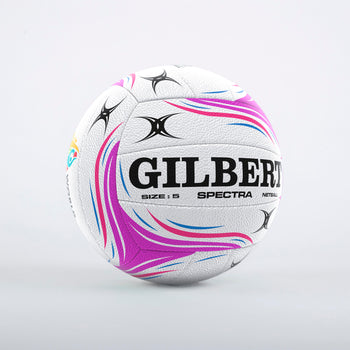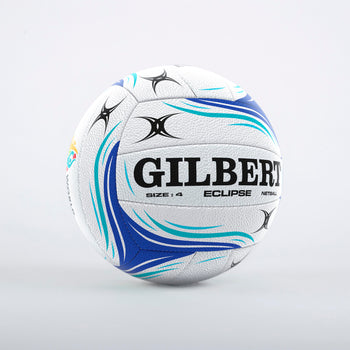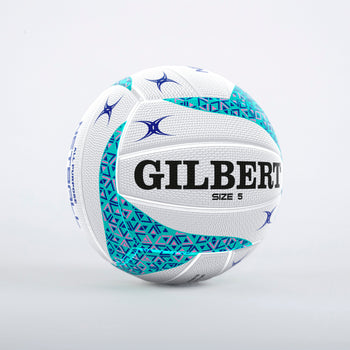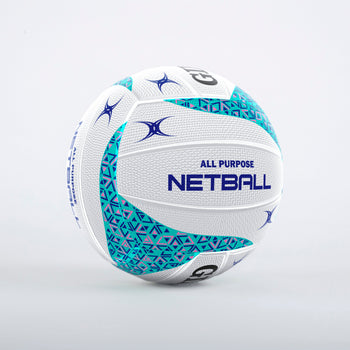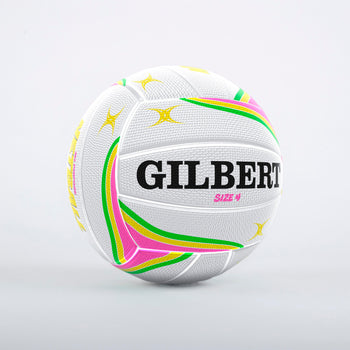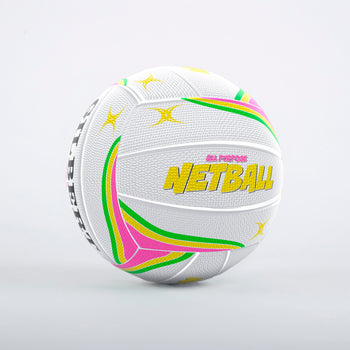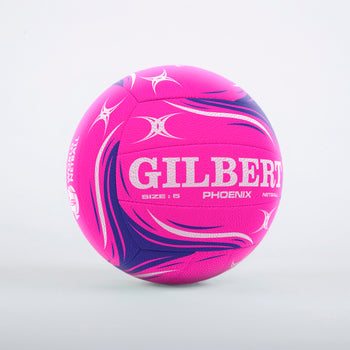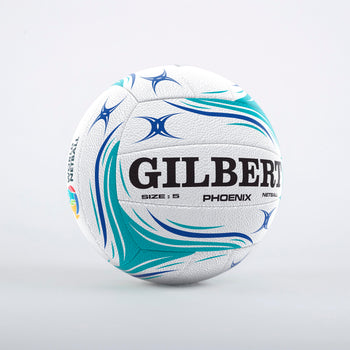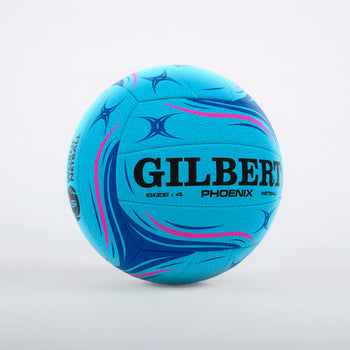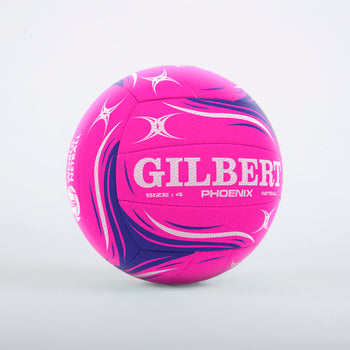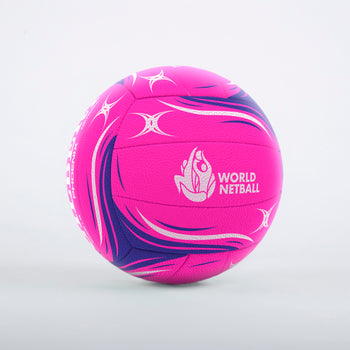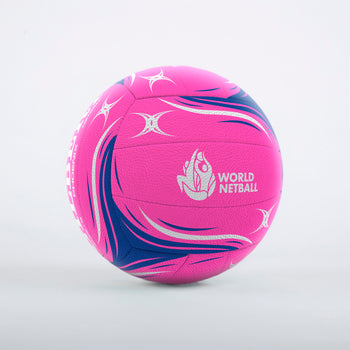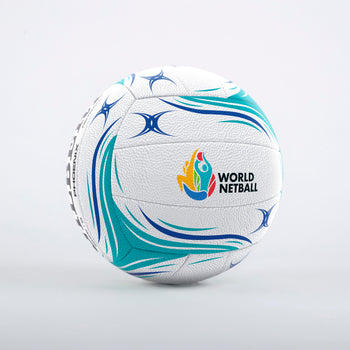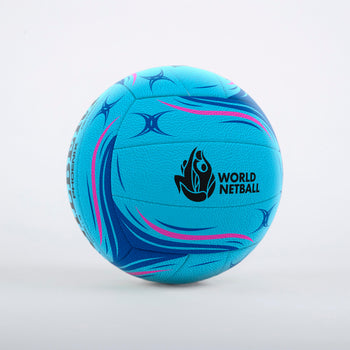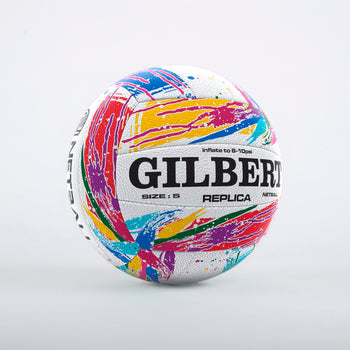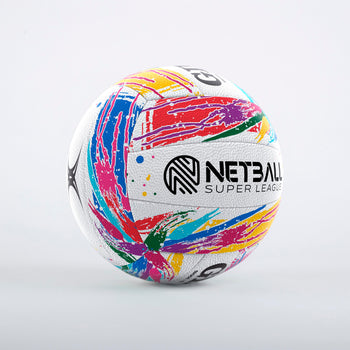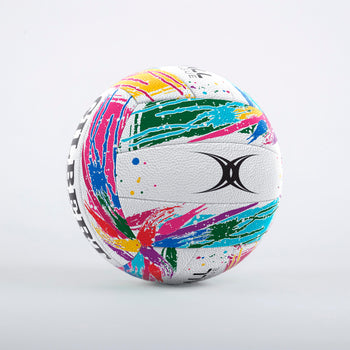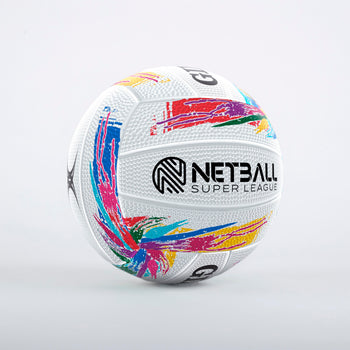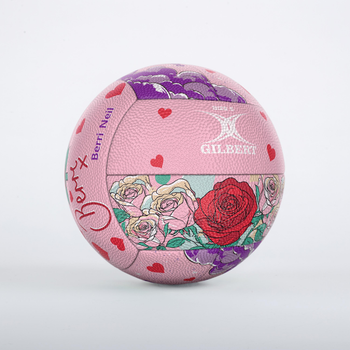








Whether you are a professional athlete or a weekend court warrior, your netball is the most important piece of equipment you own. A high-quality Gilbert netball is engineered with precision, featuring a unique rubber compound and grip pattern designed for maximum performance. However, even the best balls in the world require a little TLC to maintain their shape, grip, and aerodynamic flight. For those playing at the highest level, using a professional match ball means handling a piece of equipment that meets strict international standards.
To ensure your ball stays in peak condition for every match and training session, it is essential to follow a consistent care routine. From the moment you unbox your new gear, its longevity depends on how you handle inflation, cleaning, and storage. Proper maintenance doesn’t just save you money; it ensures that your training sessions are as productive as possible with a ball that responds exactly how you expect. If you find your current ball is beyond saving, it might be time to browse the full Gilbert collection to find a replacement that suits your playing surface.
In this guide, we will break down the essential steps for netball maintenance, from the science of PSI to the "golden rules" of storage. We’ve collaborated with experts to provide the definitive word on how to protect your investment. Before you head out for your next game, make sure you have the right netball accessories, such as a reliable pump and pressure gauge, to keep your gear in top-tier shape and prevent unnecessary wear and tear.
1. The Science of Perfect Inflation
The quickest way to ruin a netball is improper inflation. It isn't just about how the ball feels in your hands; it's about the structural integrity of the internal bladder and the stitched seams.
The Magic Number: 8-10 PSI
All Gilbert netballs have a recommended pressure range, typically between 8 and 10 psi.
-
Why 8-10 psi? This is the sweet spot. It provides enough internal pressure for a consistent bounce without over stressing the outer casing.
-
The Danger of "The Thumb Test": Many players check firmness by pressing their thumb into the ball. This is notoriously inaccurate. To play like the pros, you should refer to the World Netball official rules which specify ball requirements for competitive play.
2. Maintaining the "Gilbert Grip"
The iconic pimple pattern on a Gilbert ball is designed to channel moisture away from your palms. However, over time, the "valleys" between these pimples can become clogged with court dust, sweat, and skin oils, making the ball feel slippery.
The Cleaning Process
To restore that "new ball" feel, you don’t need expensive chemicals. In fact, harsh detergents can strip the natural oils from the rubber, causing it to crack.
-
The Solution: Use a bucket of lukewarm water and a drop of mild dish soap.
-
The Technique: Use a soft cloth to wipe down the surface. Avoid using abrasive scrubbing brushes which can "sand down" the grip texture.
-
Drying: Pat the ball dry with a towel. Never leave it to "air dry" in direct sunlight, as UV rays break down rubber compounds rapidly.
3. Storage: Environment is Everything
A netball is surprisingly sensitive to its surroundings. If you treat your ball like a piece of luggage left in a hot car, it will perform like one.
Temperature Control
Extreme heat causes the air inside the ball to expand, which puts constant, static pressure on the stitching. Conversely, extreme cold can make the rubber brittle.
-
The Golden Rule: If you wouldn't be comfortable sleeping in the environment, your netball isn't comfortable either. Avoid garages, sheds, or car boots. Store your ball in a cool, dry place inside your home.
-
The Moisture Factor: If you play an outdoor match in the rain, don't just throw the wet ball back into a dark kit bag. This is a breeding ground for mold and can cause the internal linings to rot. Dry it thoroughly before storing it in a breathable mesh ball bag.
4. The "No-Sitting" Rule
It sounds like a joke, but "ball-sitting" is the leading cause of warped or "egged" balls. Netballs are engineered to withstand the impact of being caught and thrown - force that is distributed quickly across the surface. They are not designed to support 50kg to 80kg of stationary body weight.
Sitting on your ball crushes the internal bladder and permanently deforms the spherical shape. Once a ball is no longer perfectly round, its flight through the air becomes unpredictable and its bounce becomes erratic. If your team is having a tactical chat on the sideline, find a bench or sit courtside - never your Gilbert Netball!
5. Surface Matters
Not all netballs are created equal. Using a high-end match ball on a rough, abrasive concrete court will wear down the grip in a matter of weeks.
-
Indoor Courts: Best for elite match balls with softer, more "tacky" rubber.
-
Outdoor/All-Weather: Requires a harder-wearing rubber compound designed to withstand friction against asphalt.
Always check that you are using the right ball for your environment to get the most value for your money. If you are unsure which ball fits your needs, our Netball Buying Guide can help you distinguish between sizes and surface types.
[carousel]