







Choosing between indoor vs outdoor netballs is one of the most important decisions for players, schools, and clubs. While many netballs can be used across both environments, the surface, grip, and material composition all play a big role in performance and durability.
In this guide, we break down the key differences between indoor and outdoor netballs, and help you choose the best option from the Gilbert Netball range.
1. What is an Indoor Netball?
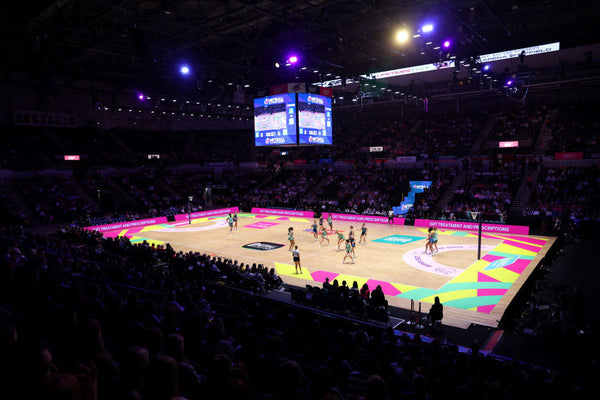
Indoor netballs are designed for controlled environments and smooth playing surfaces, where grip and feel are the priority.
The standout indoor ball in the Gilbert range is the Quantum Netball, known for its high-grip surface.
Key characteristics of indoor netballs:
- Higher grip levels for enhanced handling
- Softer feel for better control
- Designed for indoor courts (sports halls)
- Less resistant to abrasive surfaces
Because of its pronounced grip, the Quantum offers excellent control - but this also means it will wear down more quickly on outdoor courts.
2. What is an Outdoor Netball?
Outdoor netballs are built to handle rougher, more abrasive surfaces, while still maintaining consistent performance.
Most of the Gilbert netball range can be used outdoors, including:
- Phoenix
- APT
- Pulse
- Eclipse
Key characteristics of outdoor netballs:
- More durable outer surface
- Longer-lasting grip on rough courts
- Suitable for schools, clubs, and recreational play
- Designed for multiple surface types
3. Surface Matters More Than You Think
One of the biggest factors affecting netball performance and lifespan is the playing surface.
Surface impact on ball wear:
- Sand-based astro → highest wear
- Concrete → moderate wear
- Smooth asphalt → lowest wear
The smoother the surface, the longer your netball will maintain its grip.
This is why choosing the right ball for your environment is essential - especially for schools and clubs playing outdoors regularly.
4. The Role of Rubber Compound in Netballs
A key difference in netball performance comes down to the rubber compound used in the ball.
How it works:
- Higher natural rubber content = more grip
- Lower rubber content = more durability
For example:
- Eclipse → higher natural rubber → better grip, faster wear
- Spectra → lower rubber → longer-lasting, slightly less grip
This means higher-end balls feel better in hand but may wear faster - especially on outdoor courts.
5. Pimple Design: Grip vs Longevity
Another key factor is the pimple (surface texture) design.
Two main types in the Gilbert range:
1. Stitched Balls (Higher Grip)
- More defined pimples
- Better initial grip
- Wear down faster on rough surfaces
2. Moulded Balls (More Durable)
- Less defined pimples
- Slightly lower grip at first
- Grip lasts longer over time
Examples of moulded balls:
- APT
- Phoenix
- Aurora
These are ideal for schools and outdoor use, where durability is essential.
6. Wind and Ball Weight (Outdoor Factor)
When playing outdoors, wind can significantly affect performance.
Lower-priced, entry-level netballs tend to be lighter, which means:
- They are more affected by wind
- Passing accuracy can decrease
- Control becomes more difficult in bad weather
For outdoor play - especially in windy conditions, it’s better to choose slightly heavier, higher-quality balls such as:
- Aurora
- Eclipse
These provide better stability and accuracy when passing.
7. Key Differences: Indoor vs Outdoor Netballs
Indoor Netballs:
- Higher grip for control
- Softer feel
- Designed for smooth surfaces
- Wear down quickly outdoors
Outdoor Netballs:
- More durable construction
- Longer-lasting grip
- Built for abrasive surfaces
- More versatile across environments
8. Why Trust Gilbert Netball?
Gilbert Netball is trusted globally and is the official ball supplier to World Netball.
This ensures every ball is designed to meet the demands of players at every level of the game.